
Track Record
Tenantside advises:
Logistics and distribution operators
E-commerce and fulfilment businesses
Manufacturers and industrial occupiers
Corporate real estate teams
Private equity-backed portfolio companies
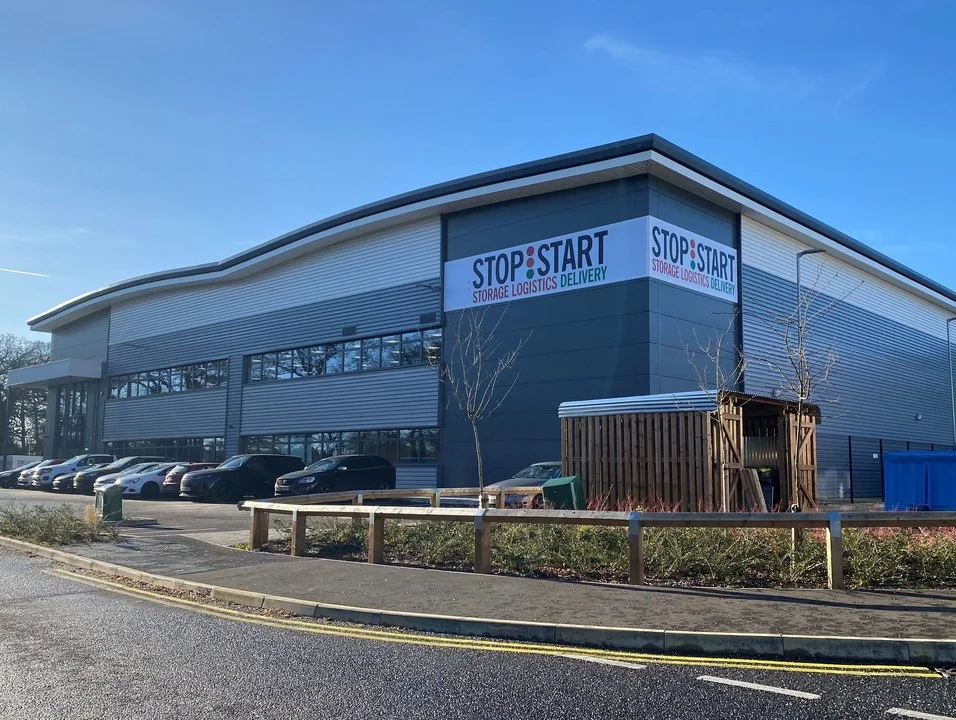
Delivering a +211% Occupancy Cost Advantage Through Rent Restructuring and Improved Building Utility
Transaction
35,000 sq ft warehouse
Original asking rent: £10.00 per sq ft
Agreed rent: £8.75 per sq ft
Lease term: 10 years
At the outset, the occupier was considering a conventional mid-sized warehouse with standard specification and limited incentive flexibility. Headline rent appeared competitive and the proposed lease reflected typical market terms
Tenantside assessed the opportunity on a total, risk-adjusted occupancy cost basis, while also challenging whether the building itself represented the optimal operational solution.
The Approach
Rather than focusing solely on rent within the initial option, the analysis considered both economic structure and building utility.
This included:
Improving net effective cost and early-term cash flow
Assessing alternative buildings with superior specification at comparable pricing
This process identified an opportunity to relocate the occupier from an 8-metre eaves-height building to a 12-metre eaves-height facility, without increasing headline rent.
The Outcome
Negotiations delivered:
A reduction in headline rent from £10.00 to £8.75 per sq ft
An extension of the rent-free period by 9 months, increasing total rent-free to 15 months
A 10-year lease aligned with operational requirements
In parallel, the occupier secured materially greater internal height, improving usable volume and long-term flexibility at the same rent level.
Measured Result
When assessed against the original terms, the revised lease structure delivered a +211% Occupancy Cost Advantage.
In practical terms:
For every £1.00 of annual rent committed, £2.11 of long-term cost was avoided — excluding the operational benefit of increased building height.
Why It Matters
Had the occupier remained focused on headline rent alone, they would have accepted both higher cost and lower operational capability.
By combining disciplined negotiation with specification-led analysis, the occupier secured a lower-cost, higher-performing warehouse platform — improving economics while increasing operational headroom for future growth.

Delivering a +123% Occupancy Cost Advantage
Transaction
105,000 sq ft warehouse
Headline rent: £1.6m per annum
Long-term occupational commitment
At face value, the transaction appeared market-standard. Headline rent and incentives aligned with prevailing comparables, and a conventional approach would have focused on price alone.
Tenantside assessed the acquisition on a total, risk-adjusted occupancy cost basis, incorporating building utility, operating cost exposure, location economics, and landlord downside risk.
The Outcome
Rather than pursuing a headline rent reduction, negotiations were structured to reduce long-term cost and risk.
The agreed terms:
Improved net effective economics through restructured incentives
Reduced operating cost volatility via service charge protections
Reallocation of repair and lifecycle liabilities
Improved flexibility over the lease term
Headline rent remained unchanged at £1.6m per annum.
However, the negotiated structure reduced the total risk-adjusted cost of occupation by £19.7m when compared to a standard market lease.
Measured Result
This equated to a +123% Occupancy Cost Advantage.
In practical terms:
For every £1.00 of annual rent committed, £2.23 of long-term cost and risk was avoided.
Why It Matters
Had the transaction been assessed on rent alone, the occupier would have accepted material structural cost and risk over the life ofhe lease.
By negotiating on economics rather than optics, the occupier secured a structurally superior outcome — lower total cost, greater predictability, and reduced downside exposure.
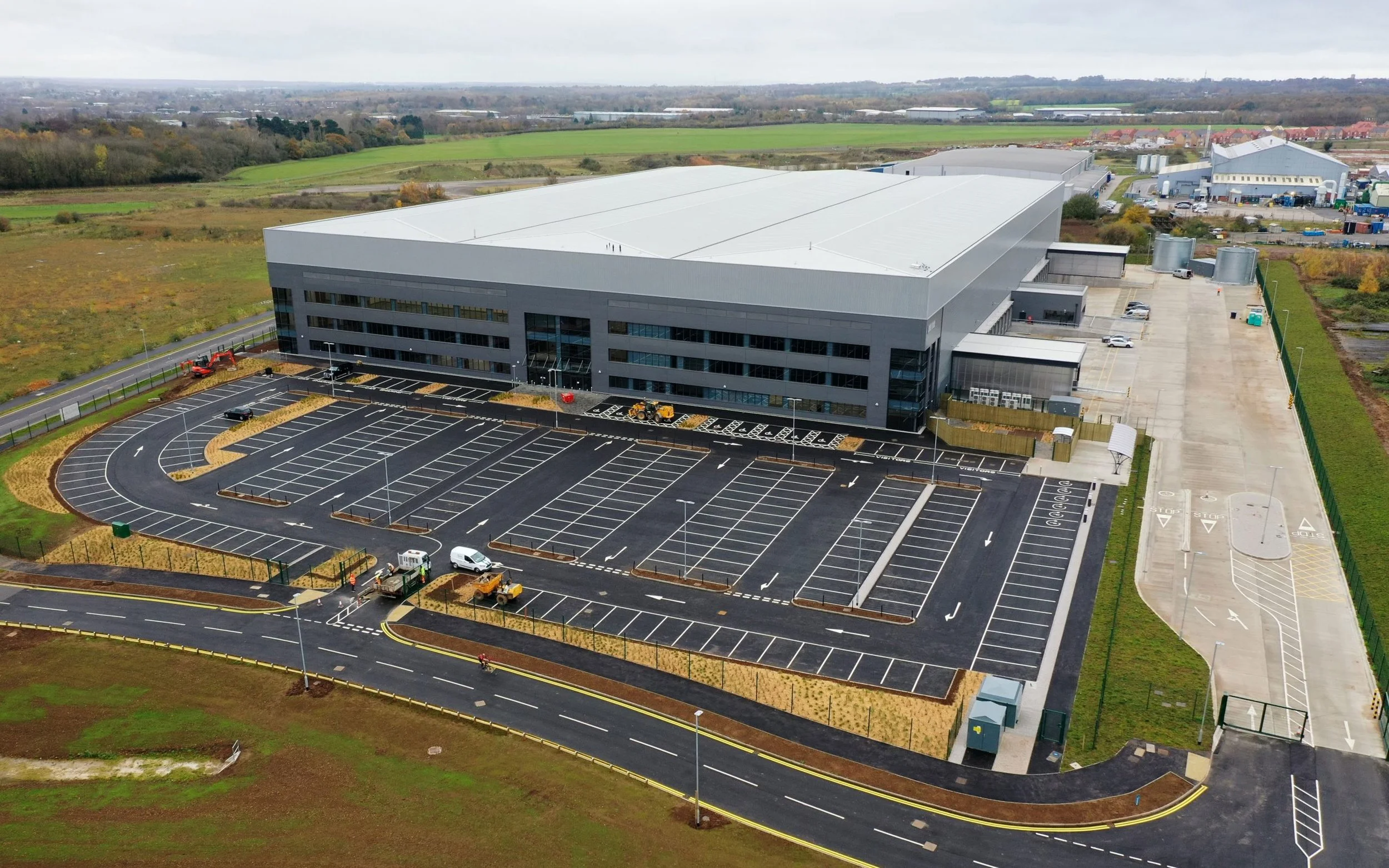
Delivering a +249% Occupancy Cost Advantage Through National HQ Relocation and Consolidation
Transaction
350,000 sq ft national headquarters facility
Consolidation from five operational sites
Office, production, and warehousing combined
Long-term occupational commitment
At the outset, or client operated from five dispersed freehold sites, each carrying duplicated operating costs, constrained layouts, and limited capacity to support future growth. While individually functional, the portfolio imposed material inefficiencies across logistics, labour deployment, and capital allocation.
A conventional approach would have focused on delivering a new headquarters facility while treating disposal proceeds and operational savings as secondary benefits.
Tenantside assessed the relocation and consolidation on a total, risk-adjusted occupancy cost basis, treating the real estate decision as an integrated operational and capital event.
The Approach
The analysis focused on three interdependent objectives:
Reducing long-term occupancy and operating cost across the estate
Improving operational efficiency through consolidation and layout optimisation
Managing execution and timing risk across acquisition, delivery, and disposals
Site selection was undertaken within a competitive logistics corridor, balancing transport accessibility, labour availability, and future expansion potential. Design and specification were developed around production and logistics flows rather than generic warehouse assumptions.
In parallel, a structured disposal strategy was implemented for the existing freehold assets to minimise holding costs and release capital efficiently.
The Outcome
The project delivered:
Relocation and consolidation into a single, purpose-built 350,000 sq ft national HQ
Elimination of duplicated operating costs across five sites
Improved logistics efficiency through integrated production and warehousing
Delivery on time and within budget through controlled procurement and programme management
Disposal of legacy freehold assets, reducing ongoing holding and maintenance exposure
While headline occupational cost at the new facility was higher than any single legacy site, the combined economic footprint of the estate was materially reduced.
Measured Result
When assessed against the baseline scenario of continued multi-site occupation — including operating inefficiencies, duplicated overheads, capital expenditure requirements, and holding costs — the relocation and consolidation delivered a +249% Occupancy Cost Advantage.
In practical terms:
For every £1.00 of annual occupancy cost committed at the new national HQ, £2.49 of long-term cost and risk was avoided across the wider estate.
This assessment excludes any unquantified upside associated with improved productivity, brand impact, or future scalability.
Why It Matters
Had the project been evaluated solely on the cost of the new headquarters facility, the strategic benefit of consolidation would have been materially understated.
By treating the relocation as a portfolio-level economic decision, rather than a single-asset transaction, RM Resources achieved:
Lower total occupancy and operating cost across the business
Improved operational efficiency and resilience
Reduced capital and maintenance exposure
A scalable platform aligned with future growth
The outcome was not simply a new headquarters, but a structurally more efficient operating platform with a materially lower long-term cost base.
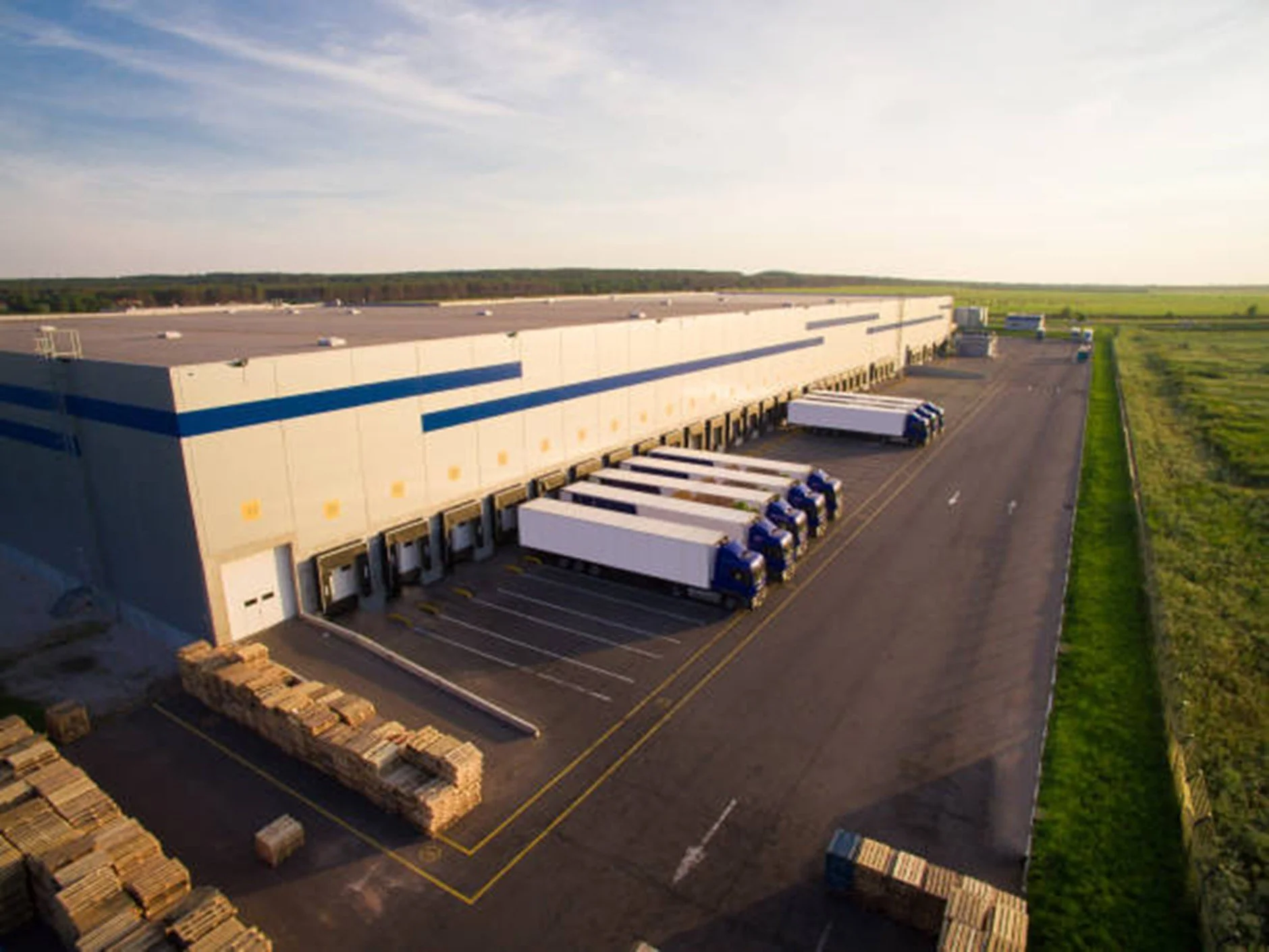
Delivering +278% Occupancy Cost Advantage Through Consolidation of Four Older-Vintage Warehouses
Transaction Overview
Consolidation of four older-vintage warehouse facilities
Relocation into a single modern logistics building
Total consolidated space: c. 260,000 sq ft
Occupier operating a fragmented, legacy distribution estate
The Starting Position
The occupier operated from four warehouses acquired over a long period, each reflecting the standards of a different era of development.
While functional, the buildings shared common limitations:
Low clear heights and constrained internal layouts
Inefficient yard depths and circulation
Escalating energy and maintenance costs
Increasing compliance and obsolescence risk
Limited adaptability for modern operational requirements
Individually, the rents appeared competitive. Collectively, the estate carried significant hidden cost and risk.
The Baseline
The baseline assumed:
Continued occupation of all four older-vintage buildings
Lease renewals on market terms as required
Ongoing exposure to rising maintenance, energy and compliance costs
Increasing operational friction as volumes grew
This represented the most credible alternative if consolidation was not pursued.
Importantly, the baseline did not assume worst-case failure — only the continuation of known inefficiencies and risks.
The Analysis
Rather than treating the proposed consolidation as a simple relocation, the analysis assessed the economic reality of maintaining an ageing estate.
Key focus areas included:
Lifecycle cost escalation across older stock
Energy inefficiency and exposure to future regulation
Maintenance volatility and capital repair risk
Labour inefficiencies caused by fragmented locations
Re-letting and exit risk associated with ageing buildings
The consolidated facility was assessed as a replacement for an obsolescing estate, not an incremental upgrade.
The Negotiation Strategy
The age and specification of the existing buildings materially strengthened the occupier’s negotiating position.
The strategy focused on:
Converting long-term operational commitment into structural lease value
Securing incentives reflecting reduced landlord void risk
Transferring selected repair and lifecycle exposure
Preserving flexibility to manage future demand uncertainty
Negotiation emphasis was placed on total cost and risk, not headline rent.
The Outcome
The final transaction delivered:
Consolidation into a single modern warehouse of approximately 260,000 sq ft
Elimination of duplicated costs embedded in four ageing facilities
Material reduction in energy, maintenance and compliance exposure
Improved operational flow and labour efficiency
A future-proofed platform aligned with modern logistics requirements
Although the new facility carried a higher rent than any individual legacy building, the total, risk-adjusted cost of occupation fell materially.
Measured Result
Measured against the baseline of continued occupation across four older-vintage warehouses, the consolidation delivered a +278% Occupancy Cost Advantage.
In practical terms:
For every £1.00 of annual occupancy cost committed at the consolidated facility, £2.78 of long-term cost and risk was removed from the occupier’s real estate platform.
The calculation excluded any unquantified productivity or growth benefits.
Why This Matters
A rent-led comparison would have understated the economic reality of maintaining an ageing estate.
By explicitly pricing:
obsolescence risk
lifecycle cost escalation
operational inefficiency
and exit friction
The analysis reframed the decision from “is the new building expensive?” to “what is the cost of standing still?”
The result was not simply consolidation, but a structural reset of the occupier’s cost and risk position.
Delivering a +443% Occupancy Cost Advantage Through Lease Negotiation
Transaction
60,000 sq ft warehouse
Original asking rent: £11.50 per sq ft
Agreed rent: £10.00 per sq ft
At face value, the opportunity appeared straightforward. The building was competitively priced, incentives were within market norms, and the proposed lease structure reflected standard landlord terms.
A conventional approach would have focused on securing a modest rent reduction and accepted the surrounding lease mechanics as fixe
Tenantside assessed the transaction on a total, risk-adjusted occupancy cost basis, rather than headline rent alone.
The Approach
Rather than treating rent, incentives, and lease length as separate points of negotiation, the analysis considered how these elements interacted over time.
Focus was placed on:
Net effective cost and early-term cash flow
Long-term exposure created by a fully committed lease
The value of flexibility relative to operational uncertainty
This reframed the negotiation away from price optics and towards economic structure.
The Outcome
Negotiations achieved:
A reduction in headline rent from £11.50 to £10.00 per sq ft
An increase in the rent-free period from 6 months to 18 months
Introduction of a tenant break at year 6, replacing a fully committed 10-year term
Headline rent was reduced, but the primary value was created through improved cash flow and materially reduced long-term risk.
Measured Result
When assessed against the original terms, the revised lease structure delivered a +443% Occupancy Cost Advantage.
In practical terms:
For every £1.00 of annual rent committed, £4.43 of long-term cost and risk was avoided.
Why It Matters
Had the lease been agreed on the original structure, the occupier would have accepted unnecessary long-term exposure with limited ability to adapt to future operational change.
By negotiating on economics rather than optics, the occupier secured:
Lower total cost of occupation
Improved near-term cash flow
Meaningful flexibility at a critical point in the lease term
The result was not simply a cheaper lease, but a structurally superior outcome aligned with business growth.
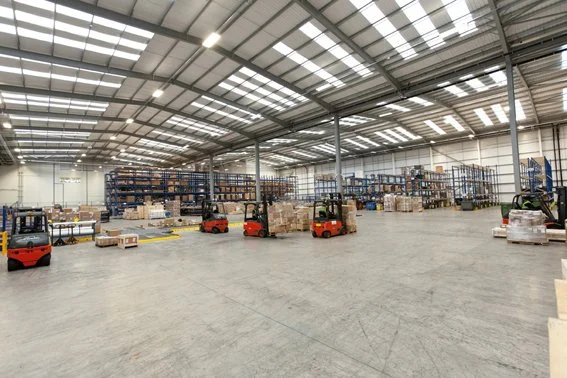
Delivering a +147% Occupancy Cost Advantage Through Lease Break Renegotiation
Transaction
1,500,000 sq ft logistics facility
Headline rent: £9.75m per annum
Contractual lease break approaching
The occupier held a near-term lease break option. A conventional approach would have treated this as a binary decision: exercise the break and relocate, or waive it and accept prevailing market terms.
Tenantside treated the lease break as a financial option with quantifiable value to both parties.
The Approach
Rather than anchoring discussions on rent alone, analysis focused on the landlord’s downside exposure at the point of the lease break, including:
Void risk across a large-format asset
Re-letting friction and incentive requirements
Programme risk and downtime sensitivity
Capital expenditure required to re-position the asset
Impact on asset valuation and income certainty
This reframed the conversation from “stay or go” to how the option value could be monetised.
The Outcome
Negotiations were structured to convert landlord risk into occupier advantage.
The agreed regear included:
A stepped rent profile improving near-term cash flow
Material capital contributions to offset operational capex
Recalibrated rent review mechanics to reduce future volatility
Enhanced flexibility at later lease events
The break was waived.
Headline rent remained £9.75m per annum.
However, the revised structure reduced the risk-adjusted cost of occupation by £35.9m when compared to exercising the break or renewing on standard market terms.
Measured Result
This delivered a +147% Occupancy Cost Advantage.
In practical terms:
For every £1.00 of annual rent committed, £2.47 of long-term cost and risk was avoided.
Why It Matters
Lease breaks are often underutilised or misused. Treated correctly, they are not exit rights — they are negotiation instruments.
By monetising option value rather than defaulting to relocation or acceptance, the occupier achieved a structurally superior outcome: improved cash flow, reduced capital exposure, and greater long-term certainty.